TL;DR: Trump’s new Cuba sanctions are being framed by Havana and its media sympathizers as “collective punishment.” That framing is emotionally effective, but politically dishonest. The real story is that Washington is finally admitting something generations of Cuban and Nicaraguan exiles already know: socialist regimes do not reform because you are polite to them. They reform only when the cost of repression gets too high. My hot take: these sanctions are not the problem. The regime is the problem, and a serious Cuba policy should stop pretending otherwise.
Trump’s New Cuba Sanctions Are Not “Cruel” — They’re What an Honest Policy Looks Like
Every time pressure lands on the Cuban regime, the same script comes out on cue.
Havana says the United States is starving the Cuban people. International outlets quote officials calling the measures “illegal,” “abusive,” or “collective punishment.” Western progressives nod along because the argument feels humane. And once again, the dictatorship that destroyed a once-prosperous island gets cast as the victim of the story.
That is exactly what happened after President Trump broadened sanctions on Cuba through a new executive order, according to Reuters and a related White House fact sheet. The administration says the sanctions target regime officials, affiliates, financial enablers, and entities tied to repression, corruption, and threats to U.S. national security.
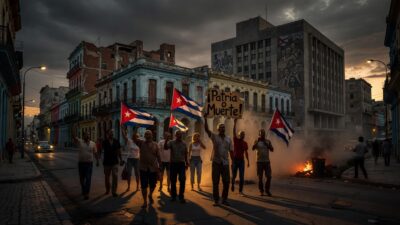
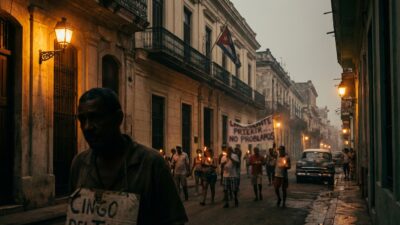
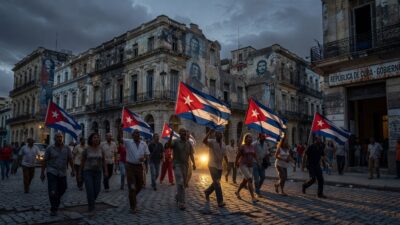
Predictably, the Cuban government answered by calling the move imperial overreach. BBC coverage highlighted Havana’s claim that the measures are abusive. Al Jazeera amplified the “collective punishment” line. AP focused on the suffering of Cuban farmers dealing with shortages, blackouts, and collapsing logistics.
And here is my Monday hot take: all of those humanitarian images are real, but the political conclusion people draw from them is backward.
The shortages are not proof that pressure on the regime is immoral. They are proof that socialism builds countries so brittle, so dishonest, and so centrally controlled that once the external subsidy machine slows down, normal life becomes impossible.
What Actually Happened This Week
The hottest Latin America story this week was not some vague regional trend. It was Cuba, again — specifically Trump’s decision to expand sanctions as part of a broader pressure campaign against Havana after months of fuel disruption, blackouts, and regime panic.
Across major outlets, the same story kept surfacing:
- Reuters reported the executive order broadening sanctions.
- The White House said the move targets repression, corruption, and malign influence.
- BBC and Al Jazeera emphasized Havana’s outrage and the worsening energy crisis.
- AP documented how fuel shortages are now crushing food production.
- Reuters also reported that the U.S. Senate blocked an effort to prevent unilateral military action against Cuba, which raised the temperature even more.
That is why this is the week’s dominant story: it is not just another blackout update. It is a signal that Cuba has moved from “managed decline” to “strategic pressure point.”
Searcher Intent: What People Really Want to Know
If you strip away the slogans, most readers searching this topic are not looking for a dry policy memo. They want to know three things:
- What did Trump actually do?
- Will it weaken the regime or just hurt regular Cubans?
- Why are Cuba’s defenders still blaming America first after 60-plus years of socialist failure?
That makes this an awareness-to-consideration story in CIA-SEO terms. The reader arrives because the headline is breaking news, but the real need is interpretation. They do not need another sterile roundup. They need someone willing to say what this means.
The Left’s Favorite Lie About Cuba
My dad fled Cuba. My mom fled Nicaragua. I grew up hearing the same lesson from two different family histories: socialist regimes are masters at making you blame everybody except the people in charge.
When I have visited family, I have seen what poverty under these systems actually feels like. It is not romantic. It is not revolutionary chic. It is exhaustion. It is resignation. It is people lowering their voices because even truth feels dangerous. It is broken infrastructure, fear, and the moral ugliness of a government that always has a slogan ready when it cannot provide food, power, medicine, or freedom.
So when analysts say, “Look at the suffering — therefore pressure must stop,” I think they are smuggling in a false premise. They assume the Cuban state would use relief to liberalize, decentralize, or open space for civil society. History says the opposite. Relief becomes oxygen for the regime first, and freedom for the people maybe never.
We have seen this pattern before on Trump’s Cuba ultimatum, in our coverage of the blackouts pushing Cuba toward a breaking point, and in our analysis of how fuel pressure exposed Havana’s dependence. The details change. The regime logic does not.
What the Sanctions Debate Gets Wrong
| Claim | What Havana Wants You to Believe | What the Evidence Suggests |
|---|---|---|
| Sanctions create the crisis | Cuba would function normally without U.S. pressure | Cuba’s economy was structurally broken long before this week’s order; shortages expose system failure, not just outside pressure |
| Pressure only hurts civilians | The regime and the people suffer equally | Authoritarian elites almost always shield themselves first; the policy question is whether pressure raises the regime’s cost of repression |
| Engagement is more humane | More trade naturally leads to openness | Past openings gave the regime breathing room without delivering meaningful political freedom |
| Critics are warmongers | Any hard line is reckless extremism | A serious hard line can be a recognition that pretending socialism will self-correct is its own kind of cruelty |
Now, let me be clear: I am not celebrating hunger. I am not cheering blackouts. I am saying the moral analysis has to be honest. If a dictatorship depends on outside oil, outside cash, and outside leniency to keep itself standing, then tightening those lifelines is not irrational. It is leverage.
That is why the AP reporting matters, even if some readers will use it to argue the opposite. When farmers cannot get fuel, when crops spoil, when basic logistics fail, the immediate pain is real. But it also reveals just how little resilience the regime has built for the people it claims to protect. A government that can control speech, prisons, schools, imports, and the economy does not get to plead helplessness when the country collapses under its own design.
Why This Story Is Bigger Than Cuba
Cuba is not just a humanitarian story. It is a regional signal.
Nicaragua watches how much repression the world will tolerate. Venezuela watches whether a socialist state can survive after losing its external patronage and fear monopoly. The American Left watches whether moral blackmail still works on U.S. policy. And every family in exile watches whether Washington has finally learned that “dialogue” without leverage is just a prettier word for surrender.
That is why this new sanctions round matters beyond one island. It says the old script may be breaking.
For years, too many policymakers acted like the choice was between naïve engagement and reckless war. That was always a false binary. There is a third path: sustained, targeted, unapologetic pressure that refuses to confuse regime survival with human dignity.
My father’s family did not need elite think-tank jargon to understand this. My mother’s family did not need another panel discussion about “complexity.” They knew that tyrannies survive by exhausting good people, laundering blame, and waiting for outsiders to lose the stomach for confrontation.
Trump’s new sanctions do not guarantee freedom for Cuba. Nothing does. But they do something Washington too often refuses to do: they put responsibility back where it belongs — on the regime.
What It Means Now
1. Havana will push the victim narrative harder
Expect more speeches, more anti-imperialist theater, and more international media framing the regime as besieged rather than discredited.
2. Economic pain will deepen before political clarity arrives
That is the brutal truth. Pressure campaigns are ugly. But pretending there is a painless route out of totalitarian decay is fantasy.
3. Exile voices matter more than ever
The people who actually know what these systems do should not be treated like emotional footnotes while Western commentators recycle regime talking points with nicer diction.
4. Cuba is becoming the test case again
If pressure produces cracks, the entire regional debate shifts. If Washington blinks, every authoritarian in the hemisphere learns the same lesson: hold out long enough, and the free world will negotiate with your failure.
FAQ
What did Trump’s new Cuba sanctions do?
According to Reuters and the White House, the new executive order broadens sanctions to hit officials, affiliates, enablers, and institutions tied to repression, corruption, and threats to U.S. national security.
Are these sanctions causing Cuba’s humanitarian crisis?
They are worsening pressure on an already collapsing system, but they are not the root cause of Cuba’s long-term misery. The root cause is a centralized socialist regime that has failed its people for decades.
Why does Havana call the sanctions “collective punishment”?
Because it is politically useful. That language shifts moral blame outward and helps the regime present itself as the victim instead of the architect of national ruin.
Do sanctions ever work against authoritarian regimes?
They are not magic, but they can raise the cost of repression, limit elite access to resources, and expose how dependent a dictatorship is on foreign lifelines and excuses.
Why is this story important for Nicaragua and Venezuela too?
Because all three regimes thrive on the same myth: that socialism’s failures are always somebody else’s fault. A harder U.S. line against Cuba sends a message across the region.
What is the real hot take here?
The hot take is simple: calling these sanctions “cruel” without calling Cuban socialism cruel is moral theater. If you are angry about suffering in Cuba, be angry first at the regime that made the island this fragile in the first place.